

On STAND UP to Bullying Day (ISUTBD), we wear pink!
The vast majority of people have been bullied at some point in their lives, whether it’s snide comments from your workmates about your clothing choices, one of your classmates scrawling the word “d*ke” on your geography workbook, or even getting beaten up.
But even if most of us can relate, that doesn’t make it “normal” or something that you have to experience at some point. Being bullied doesn’t toughen you up – in fact, it can do just the opposite. It’s also not something that we leave behind in school, unlike that geography workbook, which I tossed in the recycling bin and pretended I’d lost. Bullies are everywhere in life, from the playground to the gym to the office. Sometimes they’re even one of the most powerful people in the world.
We have to stand up to bullies and let them know that it’s not okay. How can we do that? By standing together. Bullies don’t like a fair fight, which is why they’ll often pick on individual people as a group. So if we stand together, we can stop bullying.
What is International STAND UP to Bullying Day (ISUTBD)?
It’s a global day to combat bullying. On this day, people in at least 25 countries across the world sign an anti-bullying pledge and wear a pink pledge shirt to advertise their anti-bullying stance as well as help victims of bullying to identify a peer-based support structure.
How did ISUTBD start?
The first one was held in February 2008 with 236 schools, workplaces, and other organizations taking part.
It came about after a 2007 campaign – approved by Ellen DeGeneres – by students Travis Price and David Shepherd to urge their classmates to wear pink in order to stand up for a fellow student who was bullied for wearing a pink shirt to school.
When is ISUTBD?
It is held twice a year on the last Fridays of February and November. (In November, it coincides with Anti-Bullying Week.) The 2019 dates are February 22 and November 29.
How does ISUTBD relate to the LGBTQ+ community?
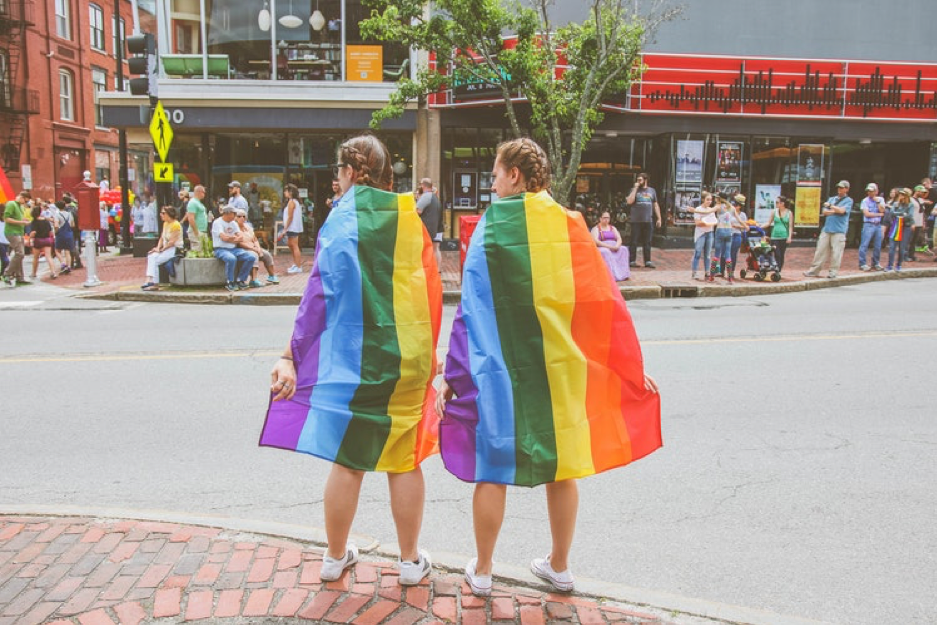
I’m sure that those of you reading this will already be aware, but LGBTQ+ people are far more likely to be bullied in schools and workplaces than their cis-het counterparts, simply because of their sexual orientation or gender identity.
In a study by LGBTQ+ advocacy group Stonewall, 45% of LGBQ+ students and 64% of trans students (or those with minority gender identities) reported being bullied at school. While 19% of LGBTQ+ employees also reported being bullied.
How can you take part in ISUTBD?
First, find out if your school/office/youth group/etc already takes part in ISUTBD. The people most like to know are the administration staff, guidance counsellors, or human resources. If the answer is yes, you can offer to help publicize the event or just ask where the pledge sheet is going to be.
If there are no ISUTBD plans in motion, then you can always set up your own with help from your friends and the admin staff. All you need is:
- Pledge sheets (A good template can be found here – just make sure to customize it before printing.)
- Posters to advertise the event
- Pink Tees
- People to take part (You might think this will be the hardest part, but after you’ve roped in your friends and publicized the event, you’ll have more people taking part than you thought.)
How can you help stop bullying (especially of LGBTQ+ people) at your school or workplace?

Walk away: If you are being threatened or harassed by a bully, walk away from them and towards someone who can help you (i.e. a teacher or a friend). This sends the message that you will not put up with their actions.
Confront bullies targeting others: As we’ve mentioned earlier, bullies don’t like it when a group of people stand up to them. It will help if you calmly and directly tell them to stop bullying, i.e. “Quit it, Charlotte”. However, your safety is paramount, so only intervene if you believe it to be safe to do so. If not, seek out someone who can help now (i.e. a teacher or manager).
Report the bullying: Every school and workplace should have a code of conduct and this will likely include a clause against bullying. It might help to write down what happened before you go to a teacher/HR so that you can collect your thoughts, but try to report the incident as soon after it happens as possible.
Setting up a support group for students/colleagues: It’s important to stand together, not just to confront bullies, but to support your peers. One way to do that is through a support group, which can help combat the isolation that bullying brings and give you new techniques to deal with it.
And if you are being bullied, remember that it’s not your fault, you don’t have to put up with it, and life does get better. Hopefully, this article has gone a little way to helping you deal with bullying and inspired you to do something about it.