
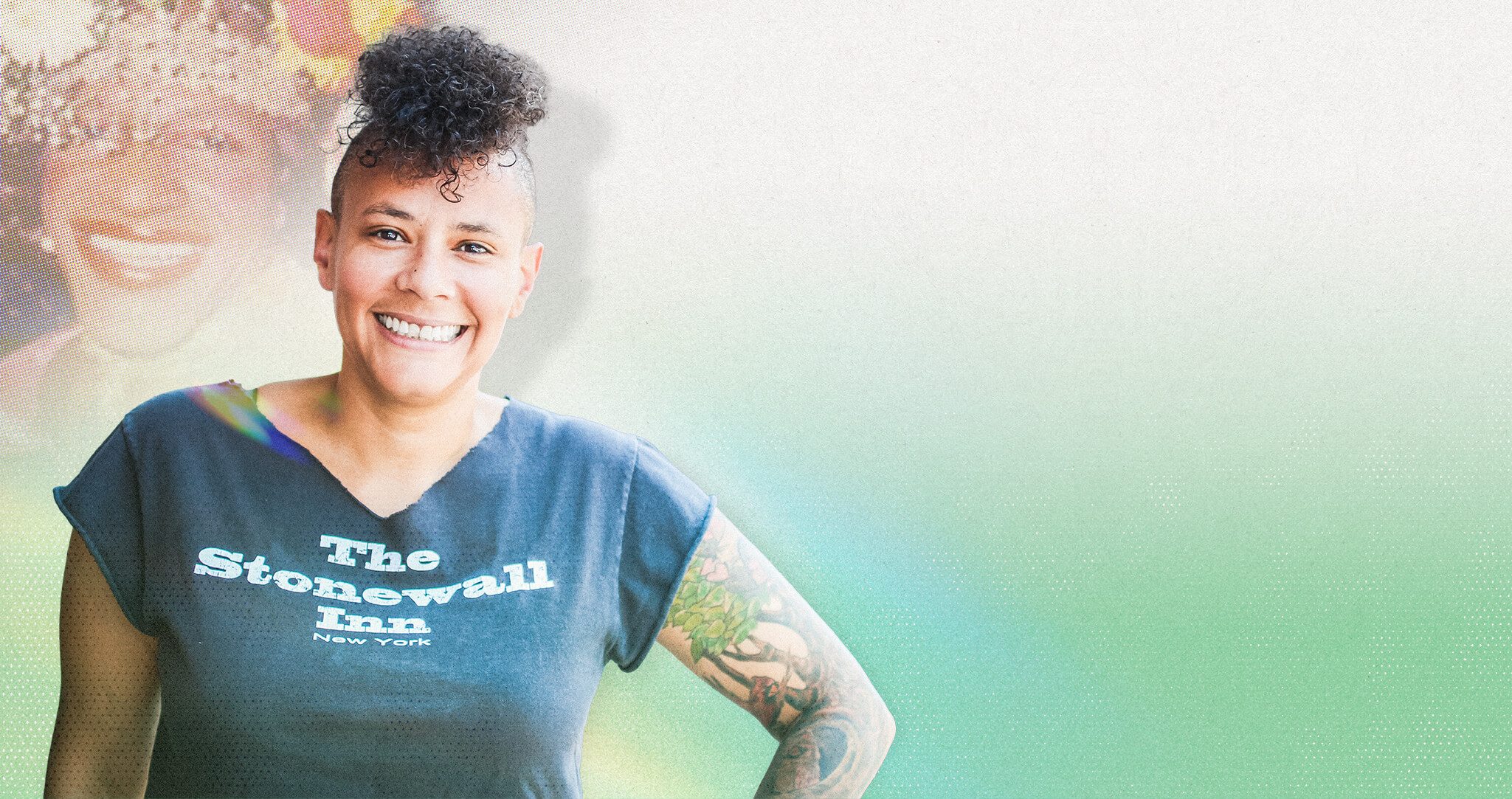
CHIVONN ANDERSON. PHOTO: HARRY SMITH
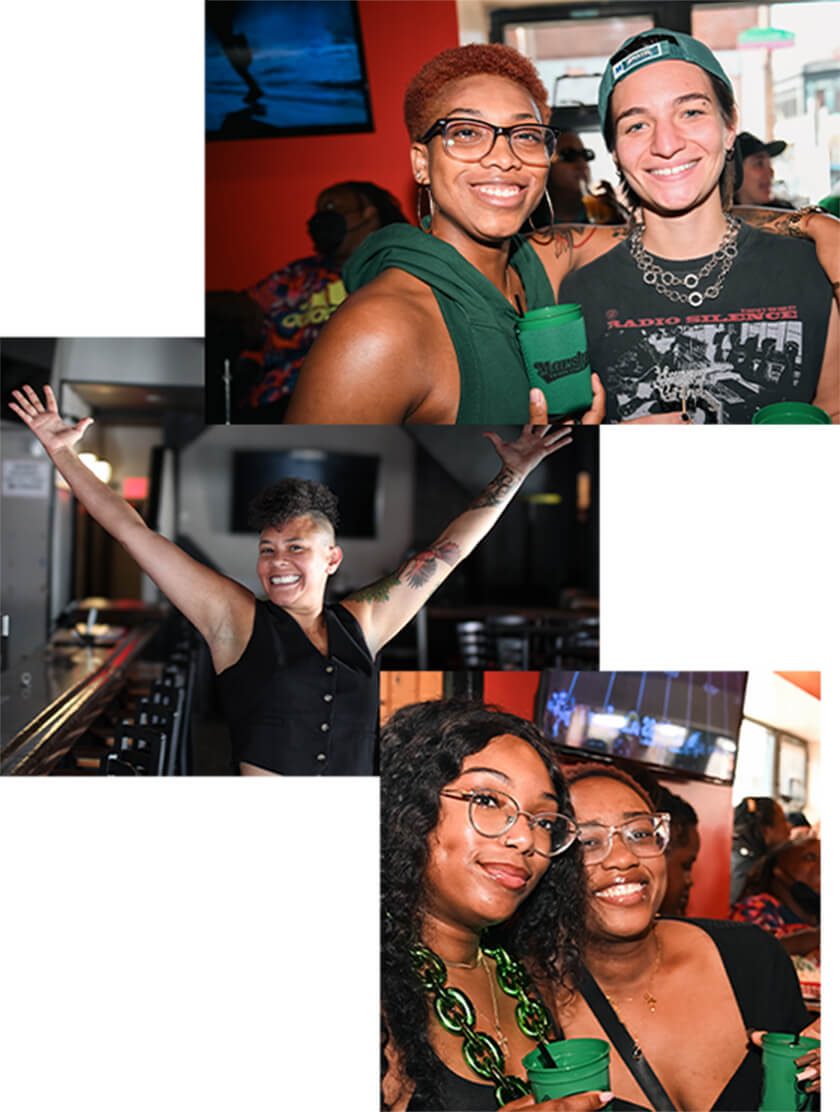
PHOTOS: EMILY BRIGGS; HARRY SMITH
The number of lesbian bars in the U.S. has drastically declined since their emergence in the 1980s. America went from more than 200 bars to as few as 33, according to The Lesbian Bar Project. (During the pandemic, that number was even lower.) The latest casualties: Doc Marie’s in Portland in 2024 and Blush & Blu in Denver in 2025.
But there is also a brave and visionary resurgence occurring across the U.S. The vibrant Mother Bar opened in San Francisco in 2023. That same year, The Ruby Fruit opened in Silver Lake, L.A. The Bush Dyke Bar opened in Brooklyn in 2024, and we look forward to the opening of Val’s lesbian bar in Philadelphia this spring. But 2025 was the year of the women’s sports bar with Rikki’s opening in San Francisco, Babe’s opening in Chicago, and also in Philly, Marsha’s.
We wanted to catch up with Chivonn Anderson, the owner of Marsha’s at 430 South St, Philadelphia, especially in the wake of Australia’s first and only women’s sports bar in Sydney, The Ladies League, quietly closing its doors after just four months, despite women’s pro sports thriving.
There must be a formula for success, and from what we can tell, Anderson has it. So, let’s start with the name, since naming is intentional. Anderson, a Philly native, deliberately chose a name with a strong message of diversity and inclusion that would resonate with members of our community: ‘Marsha’s’ is named after Marsha P. Johnson, the iconic Black transgender activist and trailblazer who was a central figure in the fight for LGBTQ+ rights.
In case you don’t know it, Johnson was a key figure in the Stonewall rebellion (it is said she threw at least one heavy object and fought police, particularly on the second day of the riots), and is seen as a pioneer of transgender identity, even if accounts differ on whether she personally can be labeled as transgender (she did identify as a woman, drag queen, and transvestite, since the term ‘transgender’ wasn’t in use in the 1970s.)
Anderson, 45, tells us: “It was just a way for me to say thank you to her for what she did, her sacrifice, to get me personally to this point right now, where I can open the space that is celebrating people in the queer community, professional women athletes, and just everybody who wants to come into the space and just be seen, loved, and welcomed.”
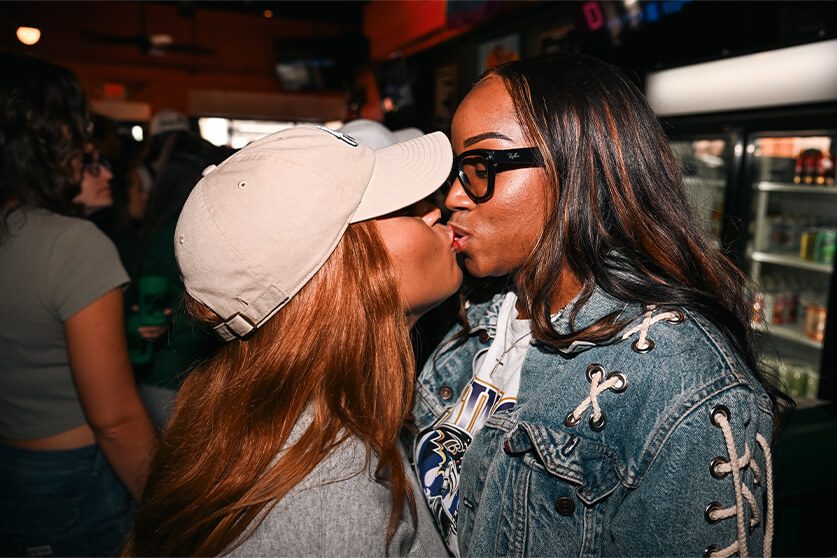
PHOTO: EMILY BRIGGS
Johnson’s life resonates with many in the LGBTQ+ community, especially Anderson, who came out at 15 and, as a woman of color, spent the ’90s finding belonging on gritty, edgy South Street. Today, the neighborhood is a vibrant, diverse area with unique shops, restaurants, and a lively alternative scene. It’s the kind of place lesbians transform and add value to, without the perils of gentrification.
Now, one of the key factors in the disappearance of lesbian bars worldwide is gentrification, along with rent and high operating costs. To safeguard against this, Anderson took a significant risk and purchased the building and the liquor license. She knew, having run the beloved local restaurant Redcrest Kitchen and been part of the Philadelphia Business Association, that this commitment to a bar had to be deep-rooted.
Anderson recalls a discriminatory incident in which she entered a straight sports bar during the 2019 Women’s World Cup, and a male bartender refused to tune the TV monitor to a pivotal women’s game—USA versus the Netherlands. “No, I don’t want to do that,” he said. The incident haunted Anderson, and she decided that women’s sports fans needed a space of their own where they didn’t have to beg a male bartender to see themselves on a screen. And she decided she never wanted anyone to control what she was doing or wanted.
In 2024, Anderson was honored at the Philadelphia LGBTQ+ Hall of Fame Awards with the Best Small Business Leader Award for her work as Director of Development at Redcrest Kitchen. She combined her experience in real estate and the service industry to secure the space.
“I knew I wanted to open a space, and I knew I wanted to buy the building, and I knew I wanted to buy the liquor license,” she says, telling me that she knew the chances of landing all three would be “difficult.”
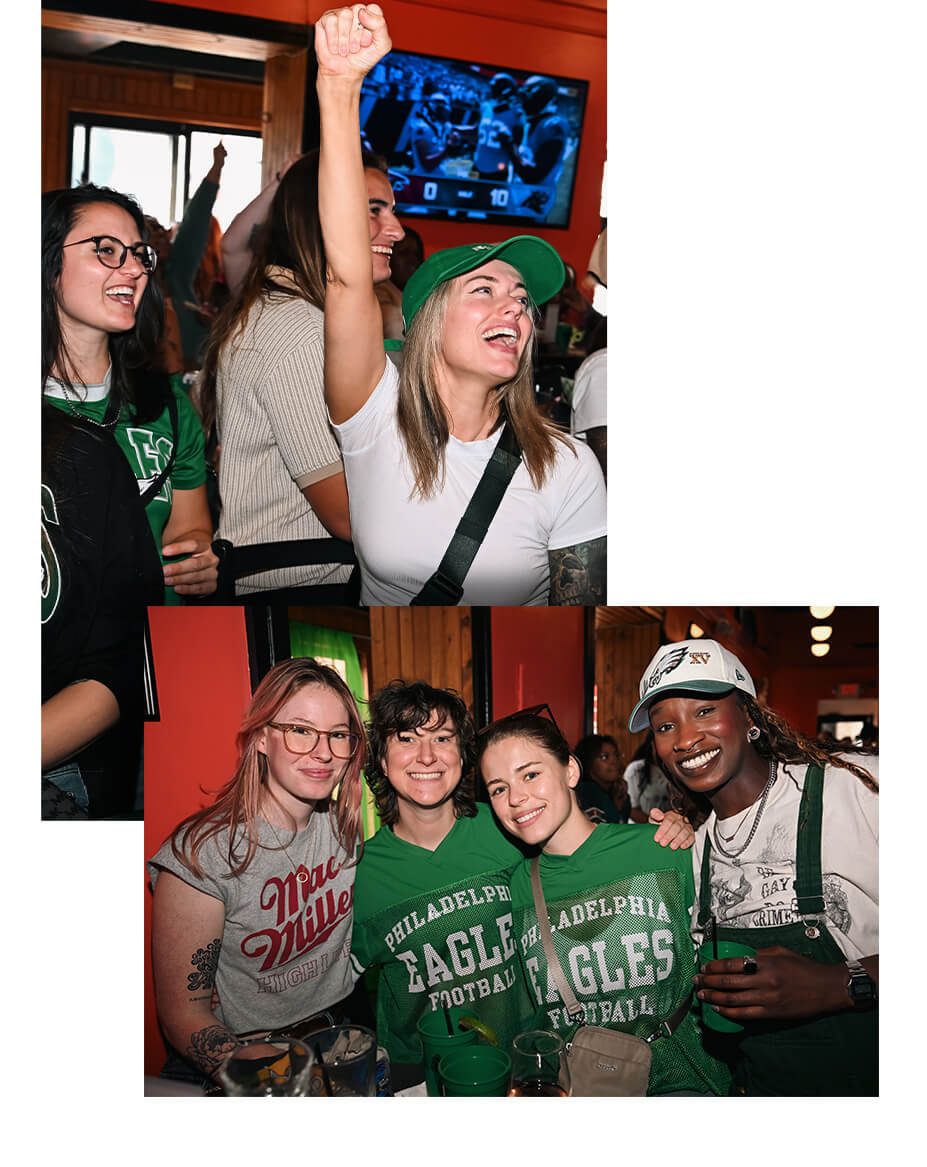
PHOTOS: EMILY BRIGGS
But she’d operated Redcrest Kitchen in the Queen Village neighborhood with its raved-about Southern-style fried chicken, and right around the corner from that was the street Anderson had her eye on, and a popular sports bar there called The Woolly Mammoth was up for sale—the building, the liquor license, and all the business assets. Things happened quickly. Anderson’s small-business loan was approved, and she received pre-approval for the mortgage. She submitted a business plan and an offer. Within a couple of weeks, Anderson beat out other offers because the owner liked her concept.
“He knew I was gonna come in, really take care of the building, do all of the renovation and upgrades that needed to get done to make the space what she has kind of destined to be.”
Location is a mantra in real estate, and is especially meaningful to Anderson.
“The queer community has a lot of history in and around South Street, and it’s just really cool to be making history in a city that founded this country, basically.”
Besides, Philly is a sports town, and always has been.
“I grew up a fan of all Philadelphia teams,” explains Anderson. “It’s kind of a birthright, and I grew up playing sports, and women have always been underrepresented, and that’s because the powers that be don’t see money in it, so they’re not gonna focus their attention on the women who are dedicating every moment to get to that ultimate goal of becoming a professional. That needs to be represented, and since Philly is a town built around sports, having a space where we can focus on professional women in that arena made sense.”
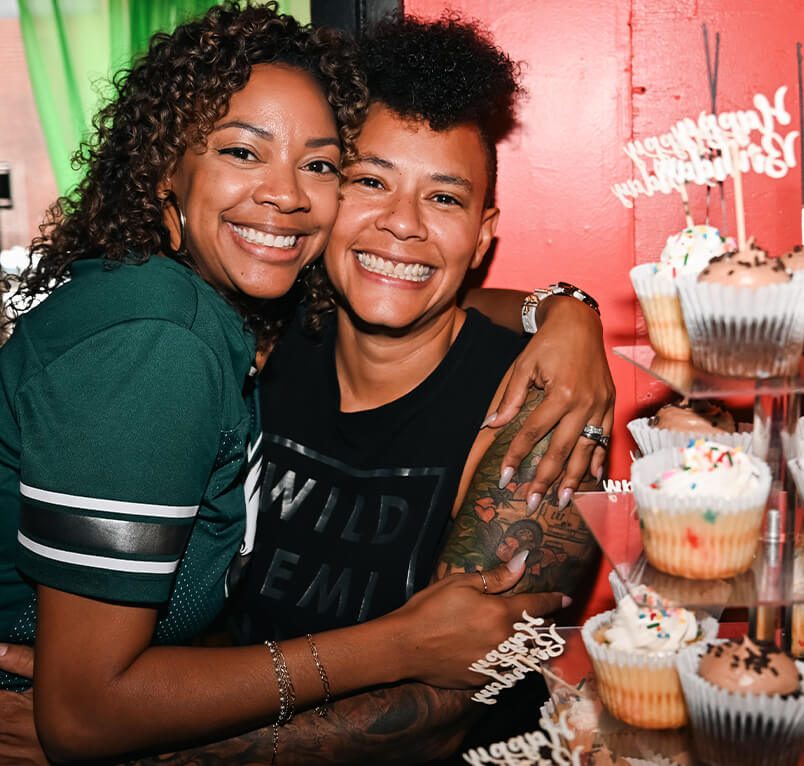
CHIVONN ANDERSON. PHOTO: EMILY BRIGGS
When it comes to the experience Marsha’s offers, Anderson “went all out. We had to make a statement from the very beginning, and I am building, along with my team, a brand that will have multiple locations and eventually become a franchise.”
With that in mind, she brought in a professional designer, Jen Zimmerman, co-owner of Sweet Peel Vintage, which is just a few minutes from the bar. She’s behind the warm, rich, and embracing feel of the premises.
Programming at Marsha’s reflects the bar’s commitment to inclusivity and representation. Women’s sports take center stage on the seven TVs, with all Philadelphia sports teams also featured. Additional TVs will be dedicated to queer film and television, ensuring that queer stories remain visible and celebrated in the space. Also in the works is an upstairs lounge that can be rented for private events.
Marsha’s serves classic bar food and drinks, including wings, burgers, and nachos, alongside beer, wine, cocktails, and non-alcoholic drinks.
“It’s just been such a wonderful outpouring of support and gratitude for opening the space—we need a spot that’s ours and where we are aware and trying to focus on our demographic,” says Anderson.
“And it’s important that we highlight and recognize our queer professional women athletes because they are on a stage and helping to represent our community in a really positive and amazing way.”