
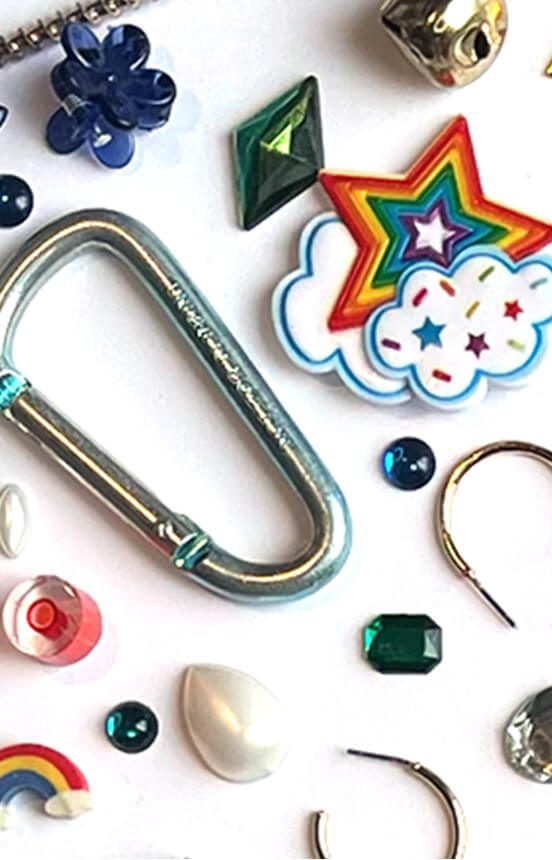
Artist-in-residence Ava Calbreath was inspired to dive into ‘Ask Fairy Butch’ and visually represent some of the highlights of the beloved Curve advice column. The result was a conceptual art project titled “Seeking Out.”
Using cardboard, papier-mâché, and knick-knacks to create a homemade aesthetic, “Seeking Out” captures the nostalgic feel of sifting through archival Curve articles while also allowing the viewer to revisit the most prominent issues for LGBTQ+ women in the 1990s through the early 2000s. In its attempt to visualize the Ask Fairy Butch column, “Seeking Out” provides a glimpse into what queer life might have looked like for Curve’s readership.
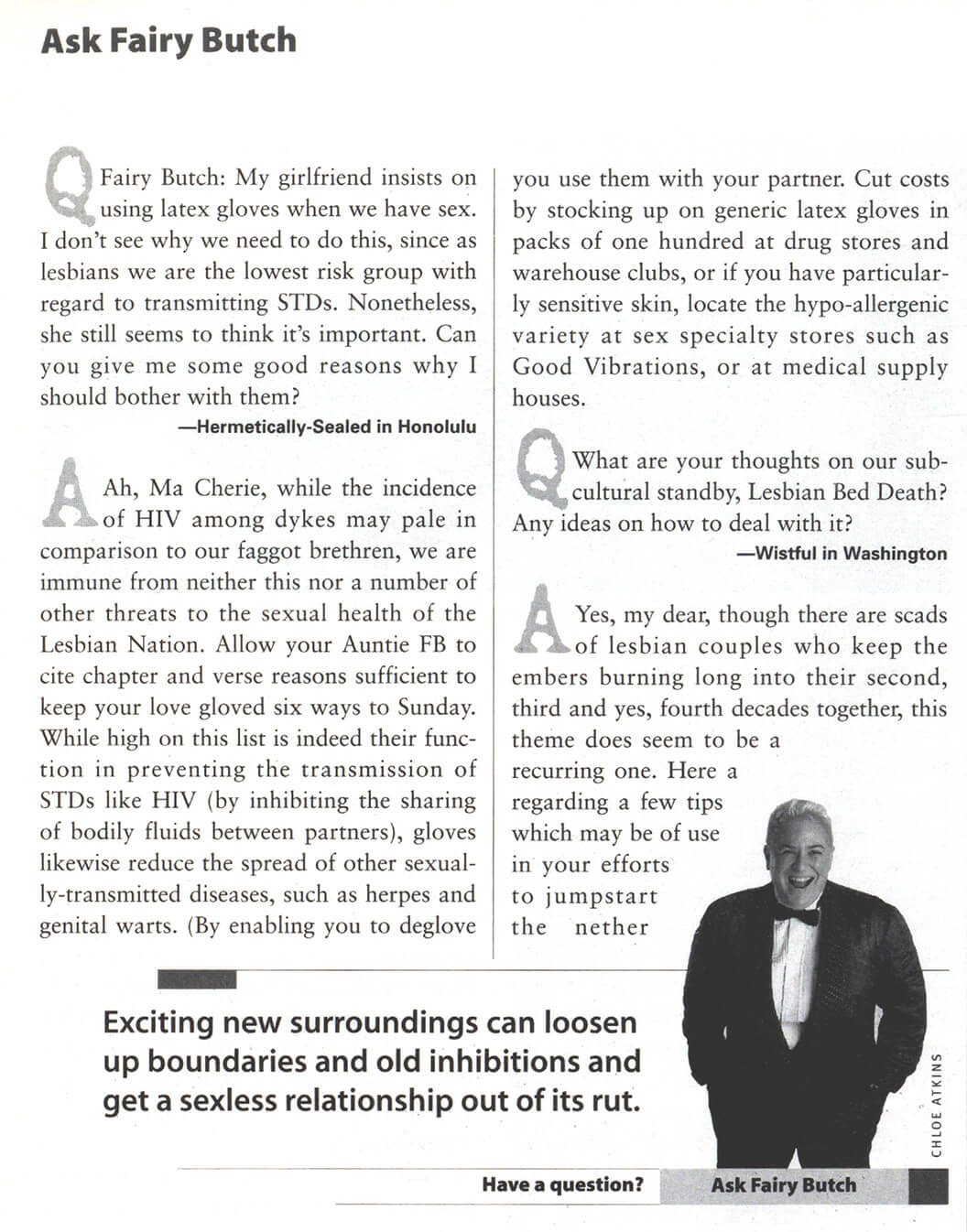
‘ASK FAIRY BUTCH’, CURVE VOL.9 NO.1 MARCH 1999
The visual components of the series mimic a search-and-find picture book style to represent how queer people must search for community, and the textual components help link the overall concept with the featured sections of the Ask Fairy Butch column. Just as queer people must piece together visual and social clues to determine if a peer is friend or foe, the viewer of this series discerns its meaning through minute observation of its smallest details.
Each of the five images in the series represents a recurring theme in the Ask Fairy Butch column: seeking out fellow queer people, affirmation and limitation in the butch/femme dichotomy, lesbian bed death, handling being closeted, and finding the “secret city” of hidden community in our midst.
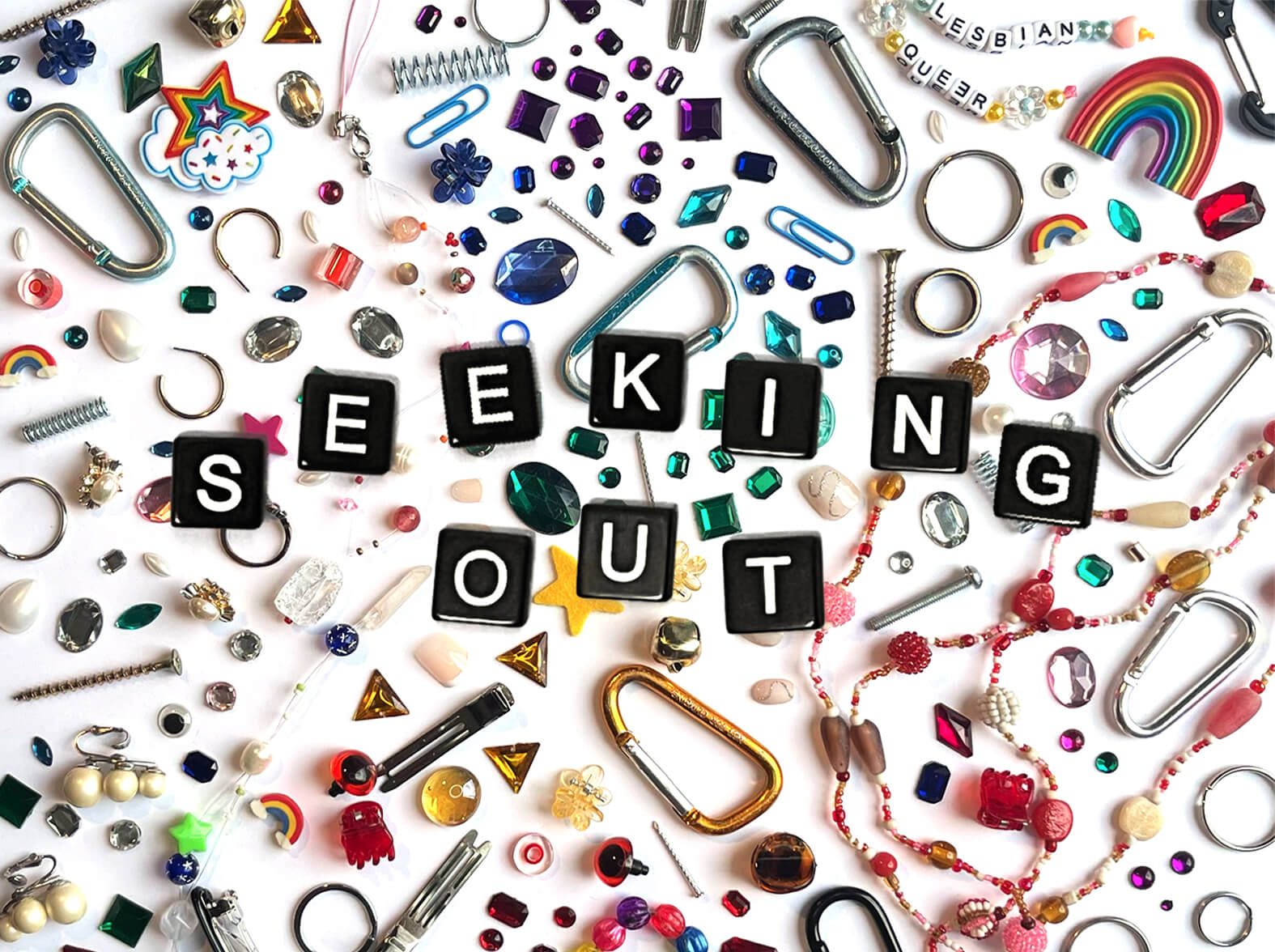
FROM HANDKERCHIEFS AND BANDANAS TO CARABINERS AND FINGERNAILS, QUEER PEOPLE HAVE ALWAYS FOUND WAYS
TO SUBTLY FLAG THEIR IDENTITY TO COMMUNITY MEMBERS AROUND THEM. THIS PRACTICE OF FLAGGING QUEERESS IS THE BASIS
FOR THE SERIES OVERARCHING THEME OF SEARCHING FOR SMALL DETAILS.
SEEKING OUT
When “Ask Fairy Butch” first debuted in Curve’s September 1997 issue, the queer community in the United States was at a crossroads. LGBTQ people were still fighting to recover what had been lost in the HIV/AIDS epidemic; Pride movements proliferated across the country, and the broader LGBTQ+ community fought for marriage equality, rights to custody, and non-discrimination policy in adoption and beyond. But lesbians struggled to be seen in their own right and navigate their own rites. In 1990, the first Lesbian Visibility Week was celebrated in California in an effort to create more balanced representation for lesbians and the sapphic community. But while some began to take advantage of the burgeoning Pride movement, others remained in the shadows. For the readers seeking advice from Fairy Butch, Curve was a community. Those in small towns or just coming out and wanting to connect turned to the magazine.
From handkerchiefs and bandanas to carabiners and fingernails, queer people have always found ways to subtly flag their identity to community members around them. This practice of flagging queerness is the basis for the series’ overarching theme of searching for small details.
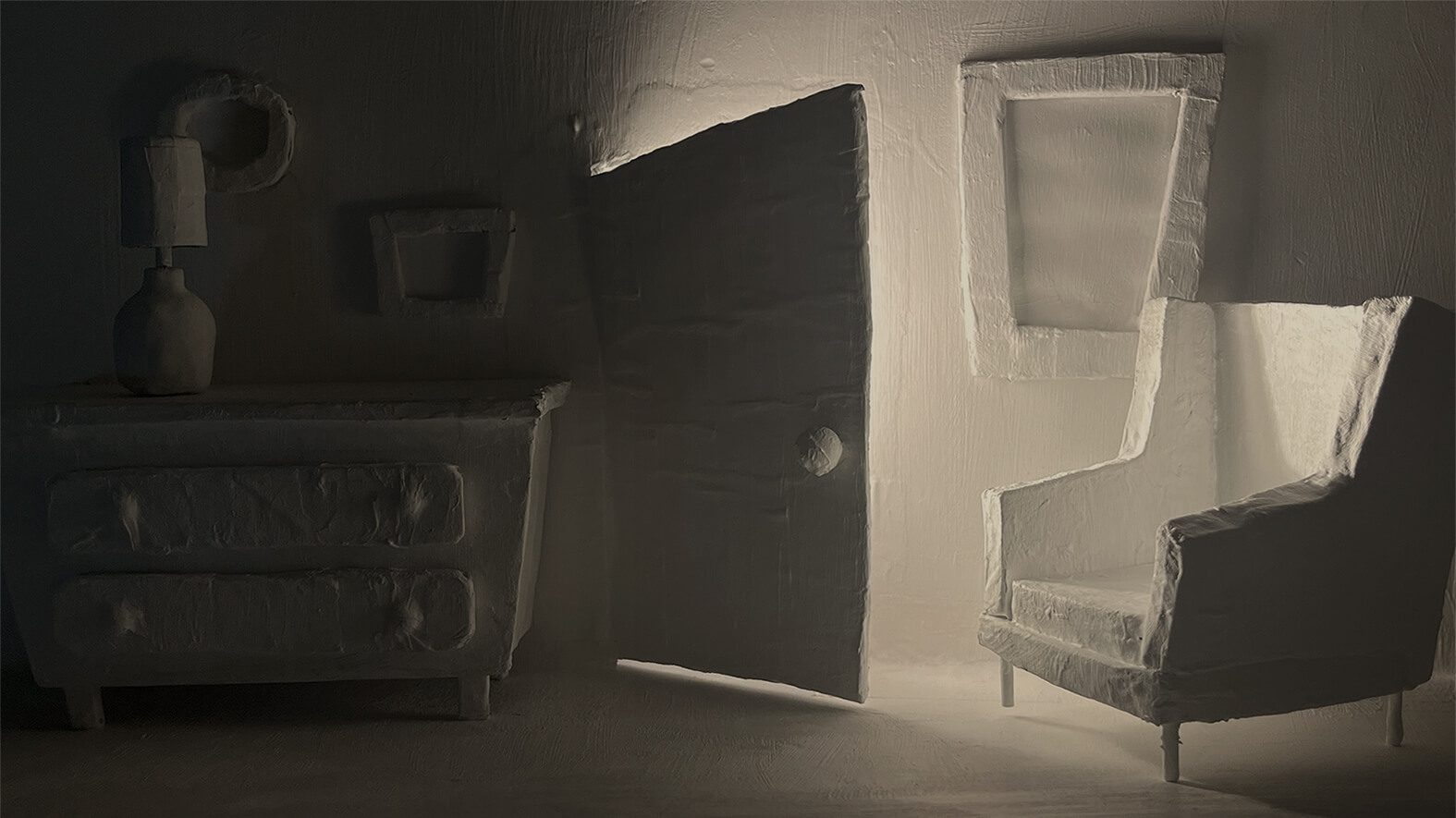
FOR MANY OF ITS READERS, CURVE WAS A SOURCE OF SOLACE FROM THE ISOLATION OF BEING CLOSETED. THE ABILITY TO
WRITE IN TO ASK FAIRY BUTCH ALLOWED THESE READERS TO FEEL THE WARMTH OF THE QUEER COMMUNITY
EVEN WHILE IT MAY NOT HAVE BEEN IMMEDIATELY AVAILABLE TO THEM.
CLOSET
For closeted readers, Curve was a source of solace. The ability to write in to Fairy Butch allowed these readers to feel the warmth of the queer community even while it may not have been immediately available to them.
13 entries discussed coming out, being closeted, or struggling to be accepted.
Q: “…We live together and things are pretty good. There’s one major problem, though. She’s 40 years old and hasn’t told her family she’s gay…” – Family Fix in Philly (13.5.11)
A: “…Hon, if coming out seems like it calls for an extraordinary amount of strength, courage and compassion, you’re right – it does. Being queer may make you special by nature, but coming out makes you special by choice.”
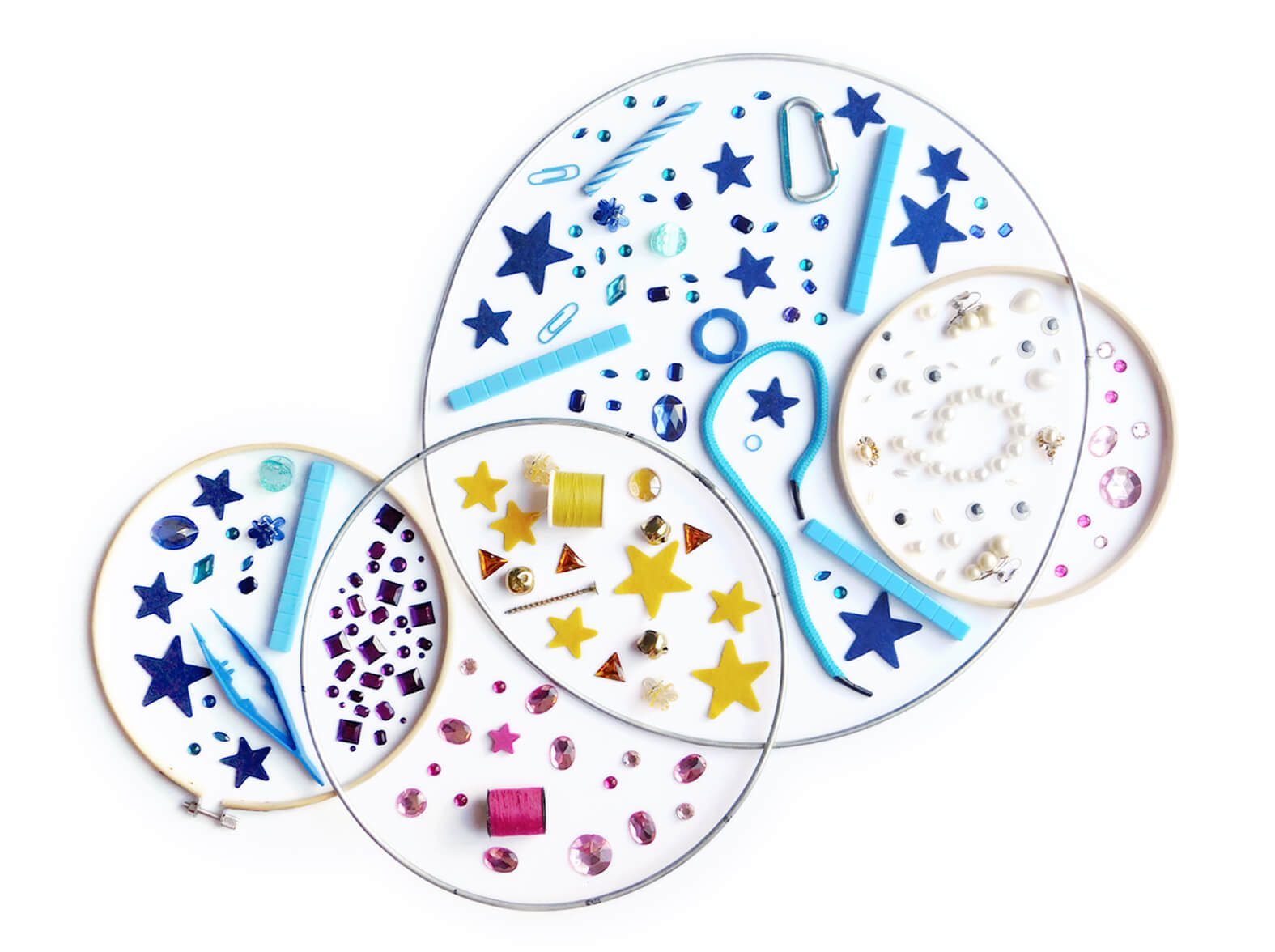
WHILE THE “BUTCH” AND “FEMME IDENTITIES HAVE BEEN HISTORICAL STAPLES OF THE LESBIAN/SAPPHIC COMMUNITY,
SEVERAL READERS EXPRESSED CRITICISMS OF THE CONSTRAINTS THEY CREATE FOR THOSE WHO IDENTIFY WITH NEITHER.
“ASK FAIRY BUTCH” EXPLORES THE WAYS IN WHICH LABELS CAN BE BOTH AFFIRMING AND RESTRICTIVE DEPENDING
ON THEIR IMPLEMENTATION. IN THIS PIECE, THE BLUE AND PINK OF “BUTCH” AND “FEMME
ARE ONLY PARTS OF THE VAST VENN DIAGRAM OF THE QUEER COMMUNITY.
BUTCH-FEMME CONTINUUM
While the “butch” and “femme” identities have been historical staples of the lesbian community, several readers expressed criticisms of the constraints they create for those who identify with neither. Ask Fairy Butch explored how labels can be both affirming and restrictive depending on their implementation. In this piece, the blue and pink of “butch” and “femme” are only parts of the vast Venn diagram of the queer community.
24 entries discussed butch-femme, top-bottom labels, masculinity and femininity in the queer community, and the identities that fall in between.
Q: “…I don’t know what to label myself so far as butch-femme. I don’t really like labels. Nonetheless, I feel like I have to have a label to be a lesbian and I would like you to label me…” – Label-less in Los Angeles (16.3.21)
A: “…These words are just attempts to get closer to the unnamable core identity in some folks, a place not fully encompassed by ‘woman,’ ‘lesbian’ or ‘dyke.’ But here’s the real take-home point, hon: You don’t have to be intimidated or constrained by other folks’ attempts to nuance the verbal expression of their identity. Butch-femme may not work for you, and that’s absolutely fine…”
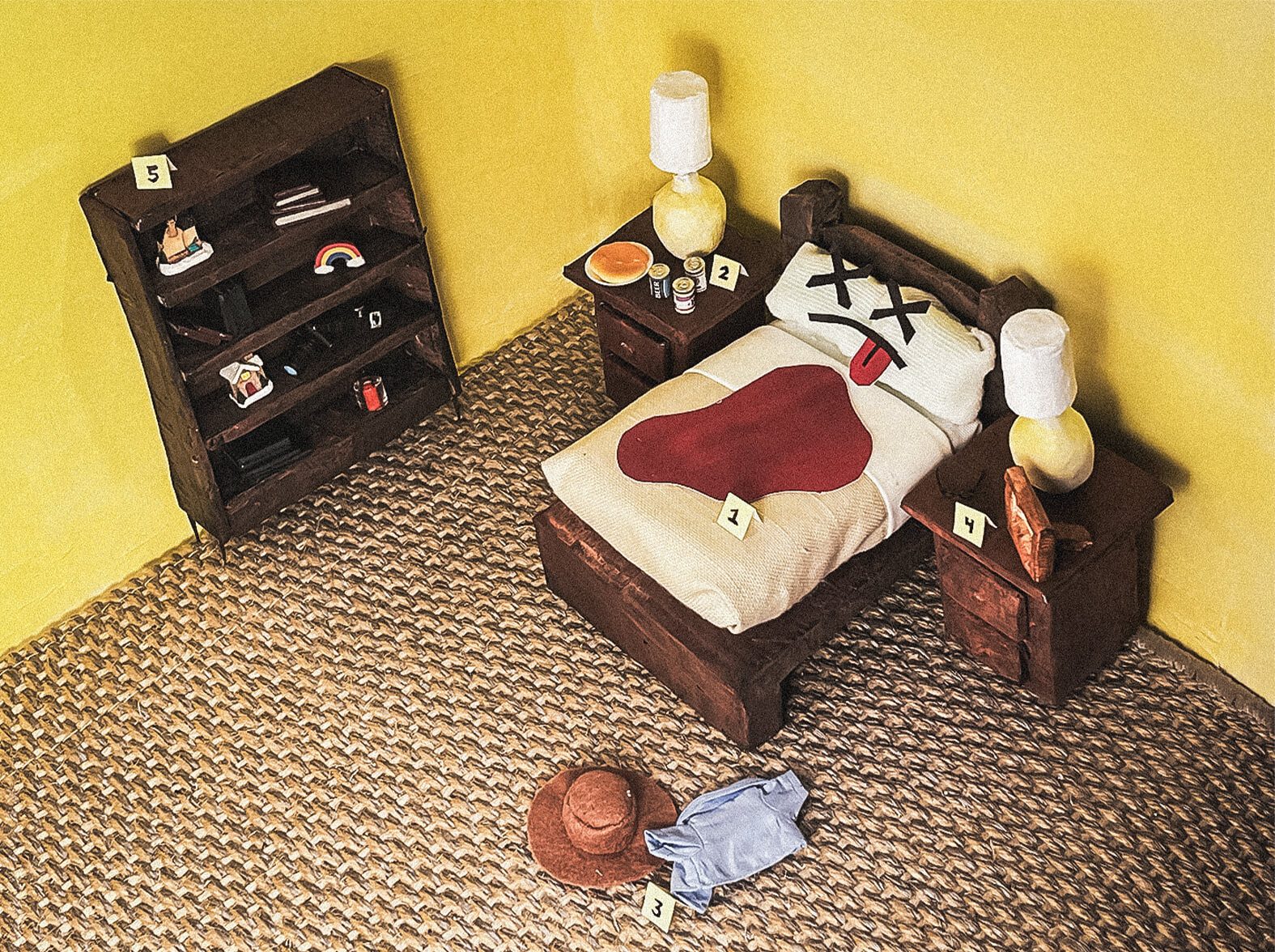
BEYOND THE MORE GENERAL GUIDANCE CURVE READERS FOUND IN “ASK FAIRY BUTCH THE SERIES WAS
FIRST AND FOREMOST A SEX AND RELATIONSHIP ADVICE COLUMN. SEVERAL OF THE COLUMNS ACCESSED
FOR THIS PROJECT DISCUSSED THE SUBJECT OF “LESBIAN BED DEATH” REPRESENTED HERE AS A CRIME SCENE
THROUGH WHICH THE VIEWER MUST SEARCH TO DETERMINE WHAT KILLED THE SEX LIVES OF ITS SUBJECTS.
LESBIAN BED DEATH
Ask Fairy Butch was first and foremost a sex and relationship advice column. Several of the columns accessed for this project discussed the subject of “lesbian bed death,” represented here as a crime scene through which the viewer must search to determine what killed the sex lives of its subjects.
11 entries discussed dwindling intimacy in long-term relationships (including 2 entry reprints). Alternatively, though, there were 22 articles wherein writers described having active sex lives, including in long-term relationships.
Q: “What are your thoughts on our subcultural standby, Lesbian Bed Death? Any ideas on how to deal with it?” – Wistful in Washington (9.1.15)
A: “Yes, my dear, though there are scads of lesbian couples who keep the embers burning long into their second, third and yes, fourth decades together, this theme does seem to be a recurring one…”
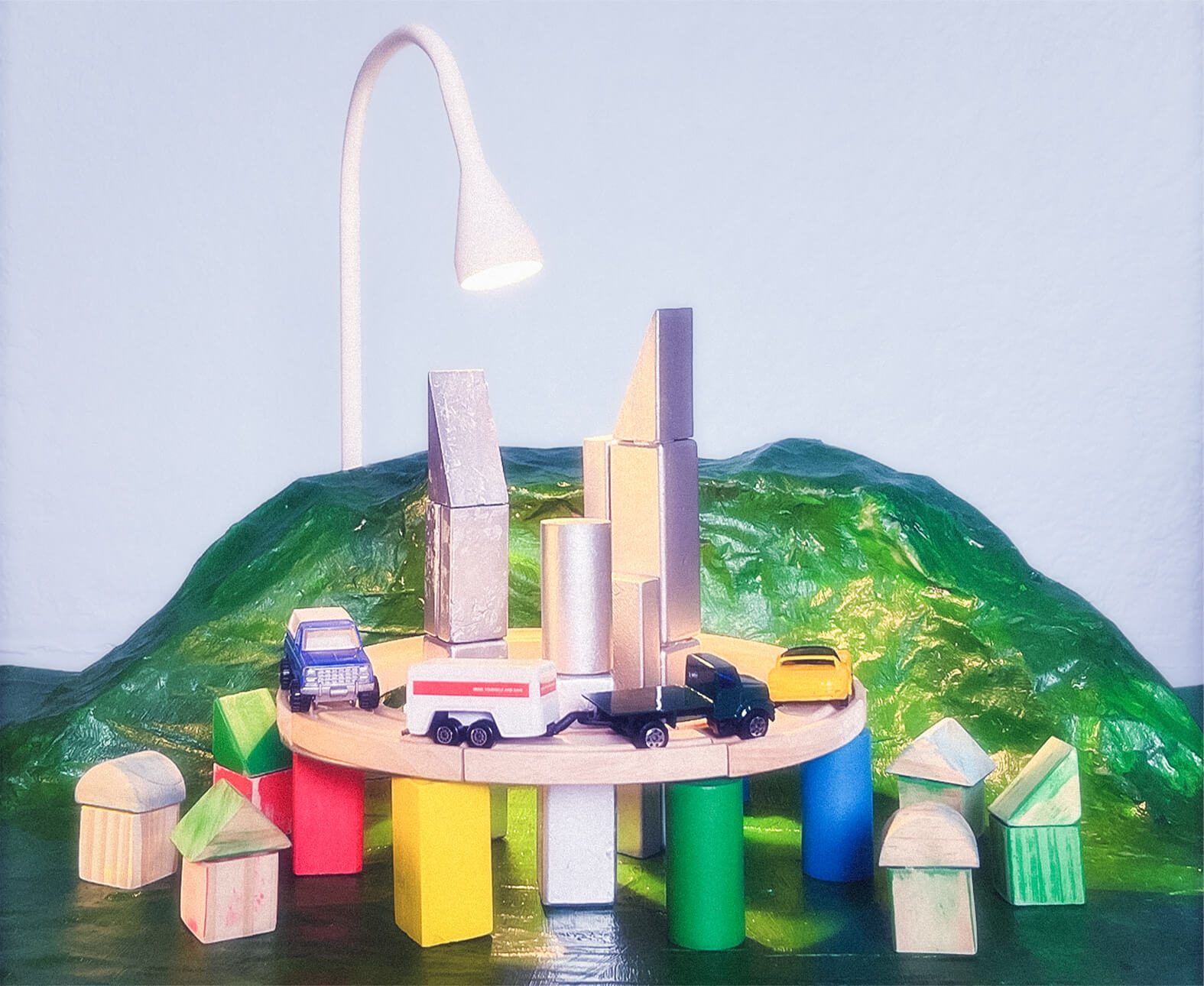
“YOU MUST VENTURE FORTH AND FIND THE SECRET CITY IN YOUR MIDST, OR BARRING THAT,
THE NEAREST SECRET CITY YOU CAN UNEARTH.”
FINDING COMMUNITY
When one reader wrote in seeking advice on escaping the isolation of the “hetero world,” Fairy Butch offered the following insight: “Queer culture is queer people, and you must meet some.” Whether they’re found in a bustling metropolis or a quiet, Midwestern town, queer people must find ways to express their identities by signaling in secrecy. For this reader, Fairy Butch’s advice was more direct: “You must venture forth and find the secret city in your midst, or barring that, the nearest secret city you can unearth.”
11 entries discussed the importance of community, particularly intersectional community-building, and queer spaces.
Q: “… For most of my life, I struggled with being gay. I recently came out to my family and everyone is taking it very well. But now I’m having a hard time taking action as a lesbian. I’m so used to living in my own imagination, I’m still isolating myself in the hetero world…” – Totally Bewildered (8.6.15)
A: “…You must venture forth and find the secret city in your midst, or barring that, the nearest secret city you can unearth. Queer culture is queer people, and you must meet some…”
ABOUT THE ARTIST
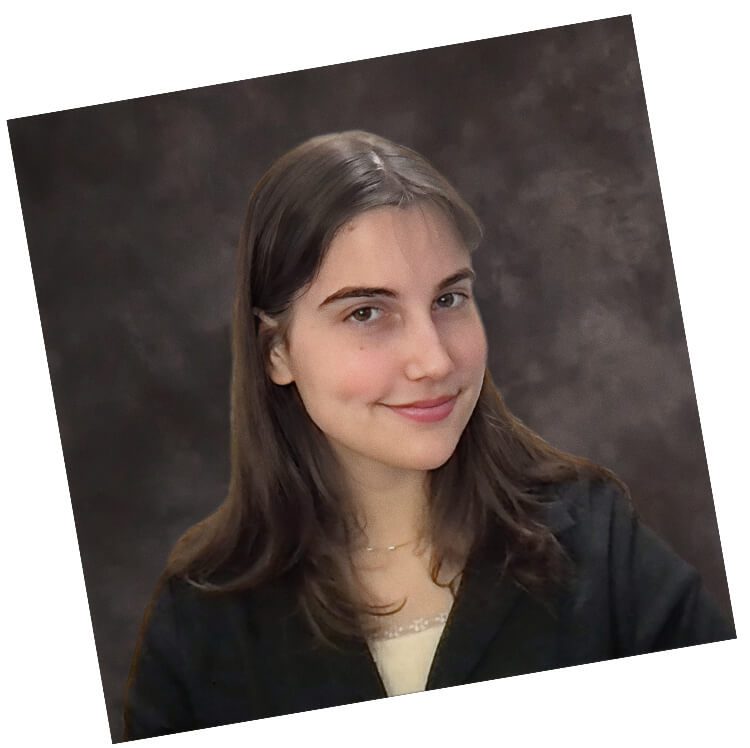
Ava Calbreath is a visual journalist working in photo and video. In 2024, she graduated from the University of California, Los Angeles after completing her degree in labor studies and film, television, and digital media. In addition to her project with Curve visualizing data from the magazine’s “Ask Fairy Butch” column, she’s currently working on the social media team at Marketplace by American Public Media, creating videos and graphics to promote economic news to a broader audience. Growing up in San Diego, California, Ava had a passion for video editing, illustration, and stop-motion animation. She has now channeled some of these interests into her work with Curve, which involved fabricating miniature models for the visual portion of the project and creating motion graphics to promote the series on social media.