
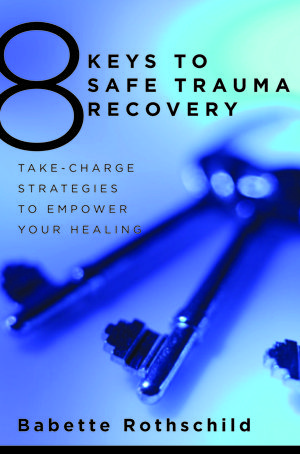
8 Keys to Safe Trauma Recovery author Babette Rothschild offers help for rape survivors.
Sexual assault is a trauma that no woman should ever suffer. After an attack, victims of rape may find themselves experiencing a plethora of psychological reactions connected with Rape Trauma Syndrome. According to RAINN.org, symptoms of rape trauma can include intense mood swings, sleeplessness, eating disorders or withdrawal from once normal daily activities.
Psychotherapist, social worker and author Babette Rothschild offers rape survivors a plan of action to reclaim their lives with her book 8 Keys to Safe Trauma Recovery. While Rothschild herself is a clinician, she insists that therapy is not the only viable option.
Rothschild says the need for professional help depends highly on the individual. “I really think it is between the person and their own needs,” she says. “It’s not always wise to push professional help on somebody if they don’t want it.” For those who choose other means besides therapy, carefully monitoring your progress is key. Keeping an eye on how well you can manage your feelings, function in daily life, sleep relatively soundly and eat reasonably will indicate whether your path of recovery is working.
“If those things are all going well and the person is wanting to continue in that direction on their own, I say go for it,” says Rothschild. “But if any of those things are compromised, then they might want to consider at least consultation.”
Rothschild explains that a person’s support system of friends and family can be just as valuable as professional help. In her book, Rothschild touches on “sharing your shame.” When preparing to tell your story, she says to select your confidant carefully. “Think over your network and the people you are closest to and what their strengths and weaknesses are,” she says. “You don’t want to get yourself in a situation where you’re hoping to get support and that person is unavailable or, at worst, totally traumatized by what you’re telling them and needing you to support them.”
According to Rothschild, trauma victims being in control of their own healing and recovery is pivotal. “It makes absolutely no sense for someone who has lost control in trauma to go into a situation where they continue to lose control with a professional,” Rothschild urges. Selecting a therapist should be a careful process with many factors to consider. Rothschild says trauma victims need to be mindful of “the fit between the therapist and the client and the fit between the client and the methodology. It’s very important that when looking for professional help, they choose a therapist who has more than one methodology available for them so there is flexibility if one does not work.”
While most may think facing your trauma head-on and confronting the memories is a crucial element to recovery, reliving trauma is one thing Rothschild is cautious about. “Sometimes remembering makes it worse,” she says. “Why do it if it makes you less functional? A person should never be forced to relive those memories and should be well prepared if they choose to. Any time you open up that Pandora’s box, it is destabilizing.”
Whatever method of recovery a victim chooses, Rothschild says the key is to be mindful of the process and know your options. “People were surviving rape for thousands of years before there were ever therapists,” she says. “Most of the time they did that with support from their families, their friends, their spiritual guide. So there are other tools. Though often valuable, psychotherapy and trauma therapy are not the only ways to recover from something like that.”